
PET felt sustainability has become an increasingly important consideration in recent years, especially for architects, designers, and facility managers trying to balance competing project goals. Today’s interiors are expected to support sustainability initiatives, improve occupant comfort, contribute to healthier indoor environments, and still deliver a strong visual experience.
Finding materials that accomplish all of those objectives is not always easy.
Many products excel in one area while compromising in another. Some offer strong environmental credentials but limited design flexibility. Others provide excellent performance but rely heavily on virgin materials or require frequent replacement. PET felt has gained traction because it’s one of those eco-friendly acoustic materials that helps bridge the gaps.
While PET felt is often introduced as an acoustic material, its value extends well beyond sound control. Made from recycled PET plastic and available in a wide variety of architectural forms, it has become a practical option for projects seeking recycled content, acoustic performance, and long-term design flexibility within a single material platform.
The sustainability story behind PET felt is also more nuanced than simply turning plastic bottles into panels. Recycled content is certainly part of the equation, but so are resource efficiency, adaptability, durability, indoor air quality, and the ability to improve existing spaces without major renovation. Together, these characteristics have helped make PET felt a popular choice for modern commercial interiors.
What Makes PET Felt Sustainable?
Sustainability is often discussed as though it can be measured by a single attribute, usually recycled content. In reality, the environmental impact of a material is influenced by a combination of factors that affect its entire lifecycle.
PET felt is frequently specified because it brings several sustainability advantages together in one product family:
- Recycled material content
- Acoustic performance
- Long service life
- Lightweight construction
- Design versatility
- Low maintenance requirements
This combination allows designers to solve multiple challenges with fewer materials. A product that functions both as an architectural finish and an acoustic treatment can often provide greater value than a collection of single-purpose products.
Recycled Plastics for PET Production
Most discussions about PET felt begin with where the material comes from, and for good reason.
Many recycled PET felt products are manufactured using post-consumer PET plastics, including the bottles and containers collected through recycling programs. Those materials are cleaned, processed into fibers, and formed into dense felt sheets that can be fabricated into architectural products.
This process aligns closely with growing interest in circular design materials, which focus on extending the useful life of existing resources rather than relying entirely on newly extracted materials. Instead of treating plastic as a disposable product, PET felt gives it a second life as a durable architectural element.
Of course, no building material is entirely impact-free. Manufacturing, transportation, and eventual replacement all carry environmental costs. However, using recycled feedstocks can help reduce demand for virgin materials while supporting broader waste-reduction efforts.
That balance has contributed to the growing role of PET felt architecture, where recycled materials are no longer hidden behind finished surfaces, but become visible design features. Whether used as recycled-content wall panels, ceiling systems, or decorative installations, PET felt demonstrates how sustainability and design can work together rather than compete.

Energy Savings in Manufacturing PET Felt
Recycled content is only one part of the sustainability conversation. Resource efficiency matters as well.
One advantage of PET felt is that it can deliver meaningful acoustic performance without relying on significant material mass. Compared to many traditional building materials, our PET felt products are relatively lightweight acoustic materials, which creates efficiencies throughout the supply chain.
Lighter materials are generally easier to transport, handle, store, and install. Those energy efficiencies may seem minor individually, but sustainability is often the result of many small decisions rather than a single dramatic change.
Another advantage is manufacturing flexibility. The same core material can be fabricated into wall treatments, ceiling treatments, baffles, clouds, screens, and custom architectural features. That versatility allows designers to achieve multiple design objectives without introducing entirely different material families into a project.
These add up to undeniable benefits that form the reason why sustainable acoustic panels and recycled felt ceiling panels have become attractive options for design teams seeking practical ways to support environmental goals. The value comes not only from recycled content but from how efficiently the material can be used throughout a project.
Environmental Impact of PET Felt in Architecture
Many environmental gains come from how buildings are used, upgraded, and maintained over time.
For many organizations, replacing an entire interior is neither practical or necessary. The structure may be sound, the layout may still work, and the building may have years of useful life remaining. The challenge is often performance. Excessive noise, poor speech clarity, and uncomfortable environments can make otherwise functional spaces feel outdated.
PET felt helps address those issues without requiring major reconstruction. Acoustic treatments can often be added to walls and ceilings to improve occupant comfort while preserving much of the existing space. From a sustainability standpoint, improving a building rather than replacing large portions of it is often a worthwhile outcome.

Reducing Waste and Carbon Footprints
Renovation and adaptive reuse have become important parts of sustainable design because they focus on extending the life of existing buildings. Rather than sending materials to a landfill and starting over, project teams look for ways to improve performance with targeted upgrades.
This is where products such as PET felt wall panels, PET felt acoustic panels, and other recycled plastic acoustic panels can provide value. They allow designers to address sound-control challenges without extensive demolition, helping reduce waste while improving how a space functions.
In many cases, sustainability is less about finding a perfect material and more about making smarter use of the resources that are already there.
Sustainable Interior Design with PET Felt
There is another aspect of sustainability that receives far less attention: design longevity.
Interior materials are frequently replaced because they look dated, not because they have failed. That creates waste even when the products themselves remain functional.
PET felt offers a level of design flexibility that can help avoid this cycle. Available in a wide range of colors, patterns, textures, and custom configurations, it can support both subtle and highly expressive design concepts. As needs change, designers have options for creating new visual experiences without abandoning the material entirely.
For projects focused on sustainable commercial interiors, this adaptability can be just as valuable as recycled content. Materials that remain useful and visually relevant are often more likely to stay in service longer, making PET felt one of today’s more practical low-waste interior materials.
PET Felt’s Durability and Long-Term Impact
A sustainable material should continue providing value long after installation.
PET felt is commonly specified because it combines acoustic performance with durability. In commercial environments, products must withstand daily use, routine maintenance, and changing occupancy patterns. Materials that require frequent replacement increase both costs and waste over time.
This is one reason durable acoustic panels remain an important part of the sustainability conversation. Long service life reduces the need for replacement materials and helps maximize the value of the resources already invested in a space.
Indoor Air Quality and Long-Term Building Performance
Sustainability is not only about reducing waste. It is also about creating healthier indoor environments.
Material LogIQ’s PET felt products are GREENGUARD Gold Certified, meaning they have been tested for low chemical emissions. GREENGUARD Gold certification applies more stringent VOC-emission criteria than many standard emissions standards and is widely recognized in projects where indoor air quality is a priority.
For architects and designers, that certification supports a broader view of sustainability – one that considers both environmental impact and occupant wellbeing. It also strengthens PET felt’s position among acoustic materials for green buildings. Combined with its acoustic benefits and recycled content, PET felt can contribute to spaces that are more comfortable, healthier, and better suited to long-term use.
PET Felt Applications in Sustainable Projects
Office Renovation: An aging office may struggle with noise distractions even though the building itself remains functional. PET felt wall panels and acoustic ceiling solutions can improve speech privacy and occupant comfort without major renovation.
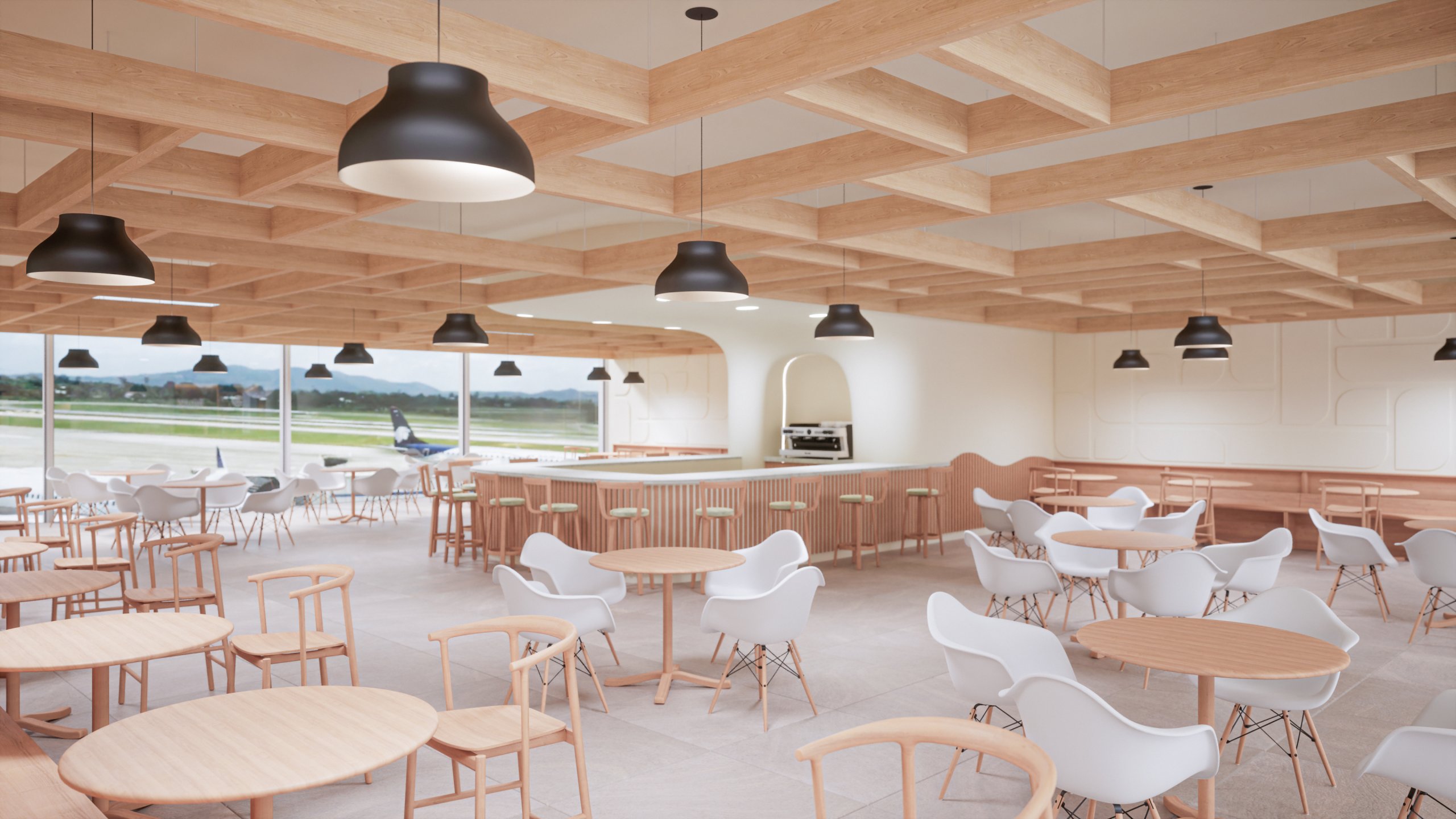
University Commons Area: Large student gathering spaces often suffer from excessive reverberation. PET felt baffles can help control reflected sound while preserving an open-ceiling aesthetic.
Corporate Lobby Upgrade: A feature wall or ceiling installation using PET felt ceiling tiles can improve acoustics while reinforcing a company’s sustainability goals through visible use of recycled-content materials.
Conclusion
The environmental benefits of PET felt extend beyond the recycled materials used to produce it. Its ability to support renovation projects, reduce unnecessary replacement, contribute to healthier indoor environments, and support sustainable interior acoustics all play a role in its growing popularity.
As organizations continue looking for practical ways to balance performance, aesthetics, and environmental responsibility, PET felt offers a compelling option. That broader perspective is what makes PET felt sustainability about more than recycled content alone. It is about creating interiors that perform well, last longer, and make better use of the resources already available.
| Topic | Summary |
| Recycled Content | PET felt is often made from post-consumer PET plastics, giving materials like bottles and containers a second life. |
| Acoustic Performance | PET felt helps reduce noise, control reverberation, and improve comfort in commercial interiors. |
| Lightweight Construction | Its relatively lightweight form can make transportation, handling, storage, and installation more efficient. |
| Design Flexibility | PET felt can be used for wall panels, ceiling tiles, baffles, clouds, screens, and custom architectural features. |
| Renovation Support | It can improve existing spaces without major demolition or reconstruction, helping reduce waste. |
| Durability | Long-lasting PET felt acoustic panels can reduce replacement frequency and support lower-waste interiors. |
| Indoor Air Quality | GREENGUARD Gold Certified PET felt products support healthier indoor environments through low chemical emissions. |
| Sustainable Applications | PET felt works well in offices, university commons, corporate lobbies, and other high-use commercial spaces. |