
Biophilic design is often associated with living walls and indoor plants, but creating a stronger connection to nature goes much deeper than greenery alone. Material selection, texture, daylight, acoustics, and spatial planning all influence how people experience an interior. When these elements work together, they create environments that feel calmer, more comfortable, and more engaging.
That makes natural materials in interior design an important part of the conversation. Wood, wood wool, stone-inspired finishes, and other natural acoustic materials can shape both the visual character and the acoustic performance of a space, supporting a more wellness-focused interior design approach. That’s why most successful projects coordinate acoustics, aesthetics, and material performance from the beginning.
What Is Biophilic Design?
Biophilic design is an approach to designing buildings and interiors that strengthens people’s connection with nature. In biophilic architecture, these ideas can shape both the building and the spaces within it, while biophilic design principles guide choices around natural light, materials, textures, and spatial planning.
Most biophilic design strategies fall into three broad categories: direct experiences of nature, natural references like wood, stone, and organic patterns, and spatial layouts that create comfortable, intuitive spaces. Together, these biophilic design elements strengthen the connection between people and the built environment.
Visual character is only part of that experience, though. A room can incorporate beautiful biophilic design materials and still feel distracting or uncomfortable if echoes, background noise, or poor speech clarity dominate the space. That’s where acoustics enter the conversation.
Why Acoustic Comfort Belongs in Biophilic Design
Biophilic design is intended to make people feel more comfortable in the spaces they occupy. While that often starts with natural light, materials, and visual connections to nature, the acoustic environment has just as much influence on the overall experience. Excessive reverberation, competing conversations, excessive background noise, and other common acoustic problems can make an otherwise well-designed room feel uncomfortable and distracting.
That’s why acoustic comfort deserves the same attention as finishes and furnishings. Good acoustics improve speech clarity, reduce listening fatigue, and support focus. Acoustic biophilic design recognizes that sound is just as important as appearance when creating healthier interiors.
Biophilic Materials and Their Acoustic Roles
Not every material contributes to biophilic design in the same way. Some emphasize natural texture, while others improve acoustic performance or expand the design palette. The most successful interiors balance those qualities instead of relying on green paint or a few plants.
Today’s modern acoustic panel materials make it possible to combine visual character with practical performance. Wood brings warmth and natural variation. Wood wool introduces a coarse, organic texture while providing excellent sound absorption. PET felt offers flexibility through layered forms, a broad color palette, and intricate patterns. Silk Metal creates the appearance of natural materials with lightweight, customizable finishes. Living plants contribute texture and a direct connection to nature, even though they have only a modest effect on room acoustics.
Rather than asking which material is best, it’s more useful to consider where each one performs best. Some are better suited for feature walls, others for overhead applications, and many work most effectively when combined. Understanding these strengths makes it easier to select materials that support both the design vision and the acoustic goals of the project.
Using Wood in Biophilic Acoustic Design
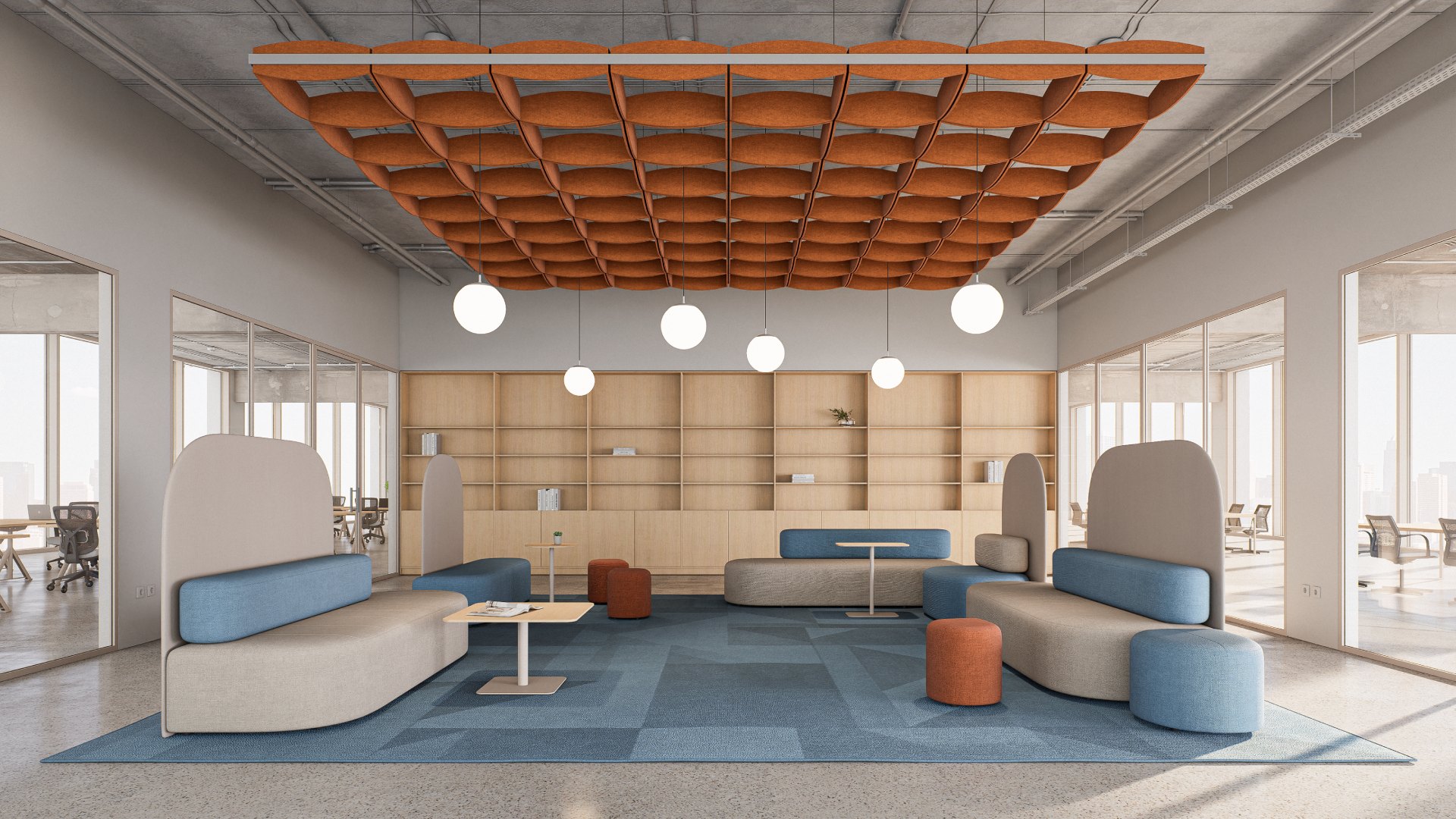
Wood remains one of the most recognizable materials in biophilic interiors because no two pieces look exactly alike. Natural grain, color variation, and texture bring warmth to a space. When incorporated as wood acoustic panels, those same visual qualities can support acoustic performance as well.
The key is understanding that wood does not absorb sound simply because it’s a natural material. Acoustic performance comes from the complete system, including panel openings, backing materials, and air space behind the installation. Well-designed architectural wood systems can balance appearance and performance without compromising either one.
Wood also works best when it’s part of a coordinated material palette. Matching species, grain direction, lighting, flooring, and adjacent finishes helps the room feel intentional rather than pieced together. That attention to detail is one reason wood slat panels continue to be a popular choice in contemporary architecture, where natural materials are expected to perform as well as they look.
Wood Wool for Texture and Sound Absorption
For projects that call for a more organic aesthetic, wood wool acoustic panels offer a distinctive alternative to smooth finishes. Visible wood fibers create natural texture while providing excellent sound absorption for all types of commercial interiors.
Unlike solid wood systems, sustainable wood wool ceiling tiles and wall panels make their texture part of the design. That combination of visual character and acoustic function allows them to support biophilic interiors without competing with other natural materials in the space.
Can PET Felt Be Used in Biophilic Design?
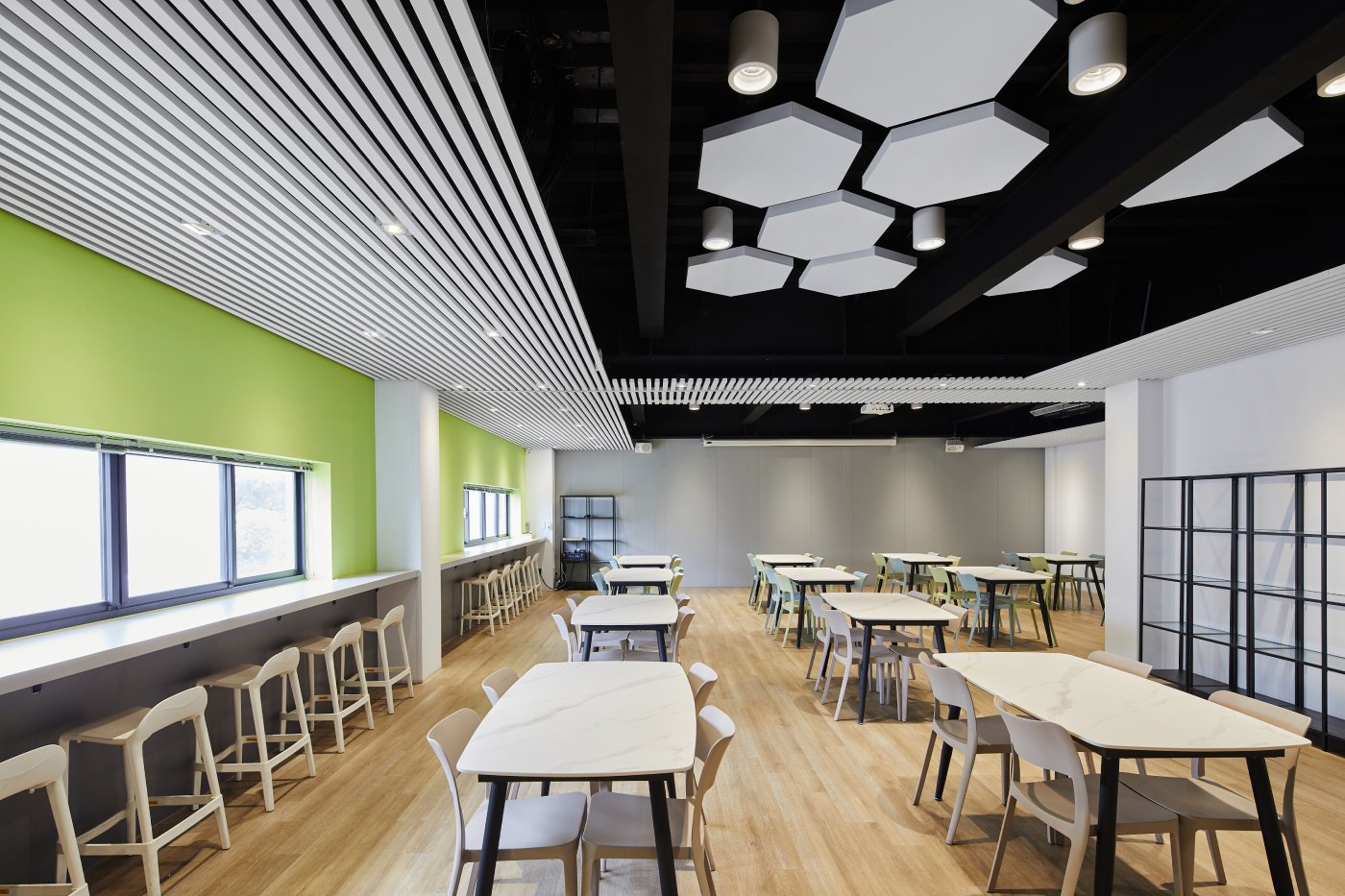
Although it isn’t a natural material, PET felt acoustic panels can still support biophilic design by drawing from the colors, textures, and forms found in nature. Earth tones, wood-grain finishes, and layered patterns help designers create natural textures in interior design. Curved edges, irregular spacing, and flowing forms can further reinforce that connection when used with restraint.
As nature-inspired acoustic panels, PET felt systems offer a level of design flexibility that’s difficult to achieve with many traditional materials. They can introduce visual softness, improve acoustic performance, and complement surrounding finishes without overwhelming the space. That makes them a practical option when designers want to expand a biophilic palette while maintaining a cohesive nature-inspired interior design approach.
Wall and Ceiling Strategies for Biophilic Interiors
Choosing the right material is only part of the design process. Where it’s installed has just as much influence on both the appearance and acoustic performance of the space.
Wall Panels and Tiles
Acoustic wall panels are often used to introduce wood grain, wood wool texture, PET felt, or engraved patterns at eye level. Modular acoustic wall tiles offer even more flexibility, allowing designers to build organic layouts that echo natural forms without making the room feel overly busy.
Ceiling Panels and Tiles
Overhead treatments shape the character of a room just as much as wall finishes. Acoustic ceiling systems, including ceiling panels and acoustic ceiling tiles, distribute texture and sound absorption across the room.
Baffles and Clouds
Suspended acoustic ceiling baffles and acoustic ceiling clouds can introduce canopies, waves, or other landscape-inspired forms. At the same time, they absorb sound within the shared room volume, making them especially effective in large, open spaces where both acoustics and visual impact matter.
Applying Biophilic Design Across Commercial Interiors
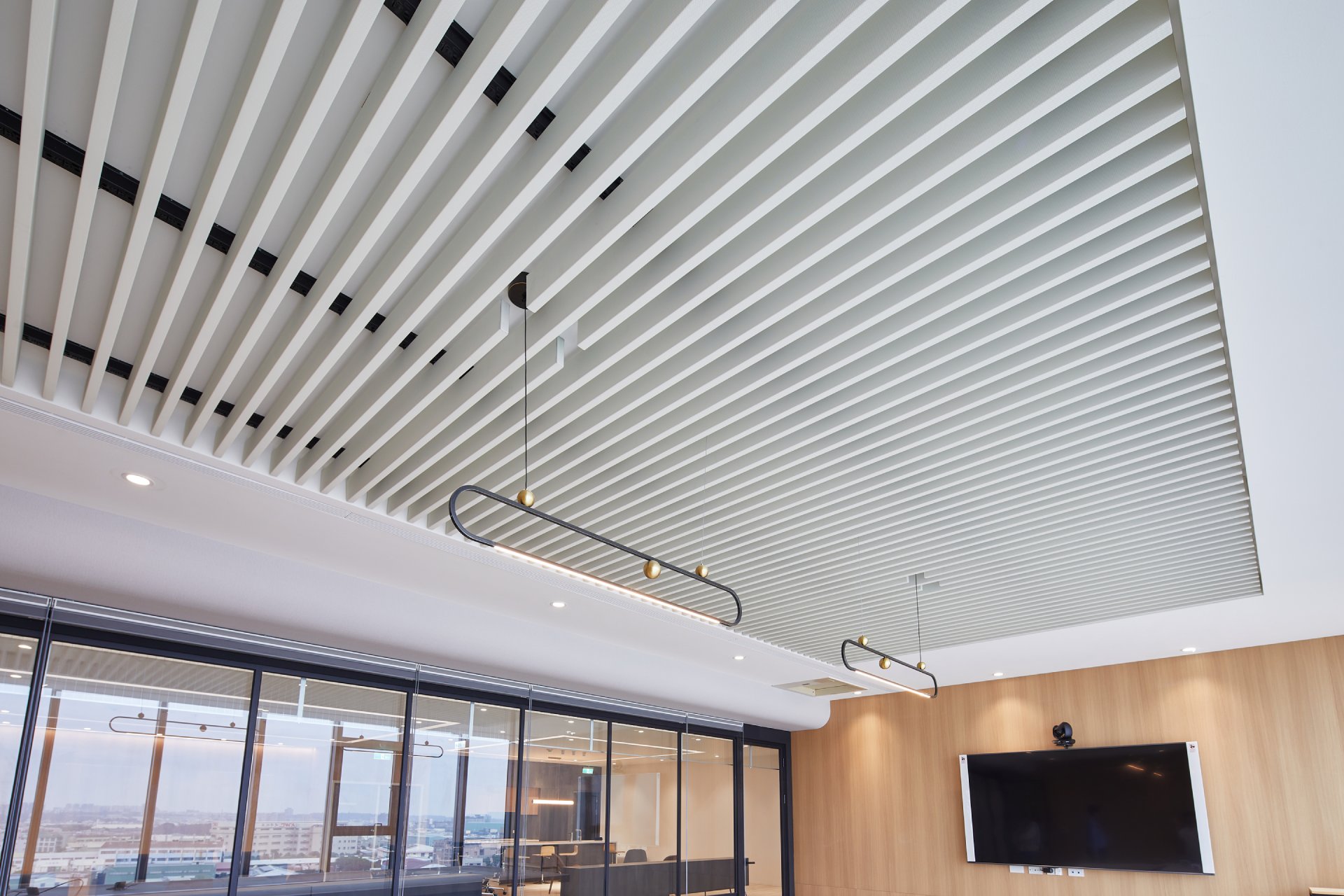
The best material choices for biophilic commercial interiors depend on how the space will be used. Biophilic office design often emphasizes speech clarity and concentration. Healthcare environments may prioritize calm, easy-to-maintain finishes, while schools, hospitality spaces, and civic buildings have their own acoustic and aesthetic requirements. Every project benefits from materials that support both occupant comfort and the intended design experience.
Biophilic Design Is Not the Same as Sustainable Design
A space can look natural without being environmentally responsible. Likewise, products made from recycled or renewable resources don’t automatically create a biophilic interior. The two ideas often overlap, but they serve different purposes.
When evaluating sustainable acoustic materials, consider factors such as recycled content, responsible sourcing, emissions, durability, maintenance, and end-of-life options alongside appearance and acoustic performance.
How to Specify Acoustic Materials for a Biophilic Interior
A successful biophilic interior starts with the experience you want people to have, then works backward to the materials and systems that support it.
Begin With the Intended Experience
Decide how the space should feel before comparing products. A quiet reading area, collaborative office, healthcare waiting room, and hotel lobby all support different activities, so they’ll require different combinations of materials, finishes, and acoustic treatments.
Identify the Acoustic Requirements
Next, evaluate the room itself. Ceiling height, room volume, occupancy, reflective surfaces, and privacy needs all influence the amount and placement of acoustic treatment. Focus on evaluating complete assemblies and measuring acoustic quality beyond NRC to understand how the space will perform.
Choose the Material and System Together
Avoid selecting products based on appearance alone. Panel thickness, mounting method, air space, lighting coordination, HVAC integration, maintenance requirements, and fire performance all influence how well a system performs after it’s installed.
Review Physical Samples
Before making a final selection, compare samples under the project’s actual lighting. Small differences in wood grain, PET felt color, or wood wool texture can have a noticeable effect once they’re installed across the space.

Common Biophilic Design Mistakes
One of the most common mistakes is treating biophilic design as a decorating style instead of a design strategy. Plants alone won’t create a successful biophilic interior, just as natural looking finishes won’t solve acoustic challenges. Materials should be selected for both their appearance and their performance.
Also, products shouldn’t be evaluated in isolation. Installation, room layout, maintenance, and durability are just as important as appearance or NRC ratings. Keeping the intended performance at the center of every design decision helps avoid these pitfalls while creating interiors that are cohesive, functional, and built to perform.
A Practical Biophilic Acoustic Design Process
Regardless of the project type, the design process follows the same basic steps. Define the intended experience first, then coordinate materials, acoustics, lighting, and building systems around that goal. Reviewing samples and installation details before construction helps avoid costly changes and creates interiors that perform as intended.
Creating Biophilic Interiors That Look and Sound Intentional
Successful biophilic design isn’t defined by a single material or design feature. It comes from coordinating natural finishes, acoustics, lighting, and spatial planning from the beginning. When those elements are considered together, the result is an interior that supports occupant well-being while meeting the practical demands of everyday use.
Whether you’re designing a workplace, healthcare facility, educational space, or hospitality environment, selecting the right acoustic materials starts with understanding how they work together as a complete system. Explore Material LogIQ’s portfolio of acoustic material solutions or connect with our team to find the right combination of performance, aesthetics, and durability for your next project.
FAQ
What is biophilic design?
Biophilic design is a design approach that helps people feel more connected to nature. It combines natural materials, daylight, organic forms, and thoughtful planning to create healthier, more comfortable interiors.
Does biophilic design require live plants?
No. Plants are one option, but wood, stone, daylight, natural textures, and organic forms can all support biophilic design.
What materials are used in biophilic interior design?
Common choices include wood, wood wool, PET felt, stone, natural fibers, and other materials that reflect the colors and textures found in nature.
How do acoustics support biophilic design?
Acoustics improve speech clarity, reduce reverberation, and create more comfortable spaces. They’re an important part of multisensory interior design, where sound is considered alongside light, texture, and visual comfort.
Are wood panels naturally sound absorbing?
Not by themselves. Wood panels become sound absorbing when they’re designed as part of an acoustic system with openings, backing, and air space.
Can PET felt be used in biophilic design?
Yes. PET felt supports biophilic design through organic forms, natural color palettes, and textures inspired by nature.
Is biophilic design the same as sustainable design?
No. Biophilic design strengthens people’s connection to nature, while sustainable design focuses on environmental impact. Many projects pursue both.
Which acoustic materials work best for biophilic offices?
That depends on the space. Wood, wood wool, PET felt, and other acoustic materials each offer different visual and acoustic advantages.
Can biophilic acoustic materials support green building goals?
Yes. The environmental benefits of PET felt and other materials may contribute through recycled content, responsible sourcing, low emissions, or long service life.
Should acoustic treatments go on the walls or ceiling?
Both can be effective. Many biophilic commercial interiors combine wall and ceiling treatments to balance appearance with acoustic performance.