
Ceiling Tiles
Optimize overhead acoustics with versatile ceiling tiles designed for seamless integration into standard grid systems. These acoustic ceiling tiles deliver targeted sound absorption and control, effectively reducing noise and improving speech clarity in any commercial environment. Choose from a wide array of materials, finishes, and performance levels to meet precise aesthetic and acoustic requirements—putting a stylish lid on noise.
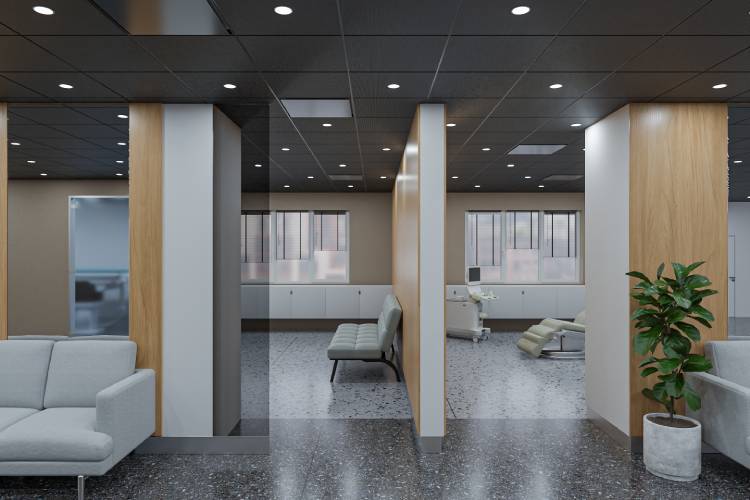


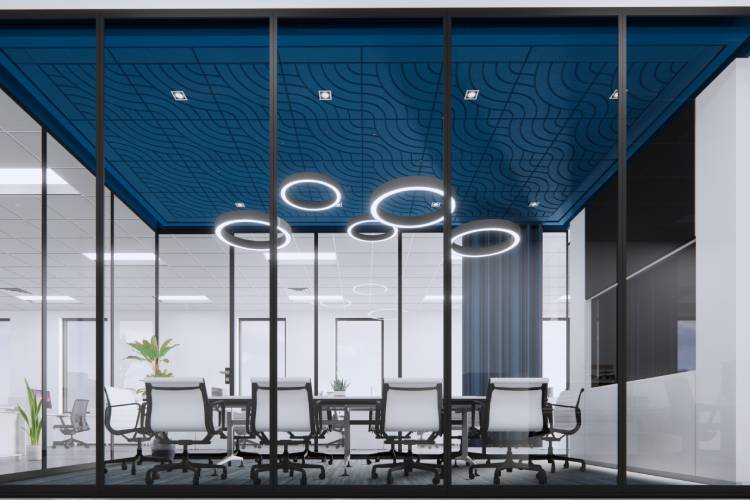
Choosing the Right Ceiling Tile System
Acoustic Target
Ceiling tiles play a primary role in controlling reverberation and overall room acoustics rather than directional reflection control. Unlike wall panels, ceiling tiles are designed to work across a continuous plane, absorbing sound energy evenly throughout the space. Material LogIQ ceiling tiles are engineered with specific thicknesses, backing options, and perforation patterns to meet RT60 targets, speech intelligibility requirements, and noise reduction goals without relying on wall-mounted treatments.
Grid Compatibility, Coverage & Budget
Ceiling tiles must integrate seamlessly into standard ceiling grid systems, which makes module size, weight, and accessibility critical considerations. Larger tile areas improve acoustic uniformity but must remain compatible with T-grid layouts and maintenance access requirements. Many designers mix tile materials—using high-performance PET felt or metal tiles for general coverage while introducing wood slat or wood wool tiles as accent zones—to balance acoustic performance, cost efficiency, and visual rhythm across the ceiling plane.
Design & Visual Continuity
Ceiling tiles define the visual texture of a space more subtly than wall panels. Because they are viewed indirectly and under artificial lighting, finish selection should emphasize consistency, depth, and tonal balance rather than high-contrast focal statements. Natural wood slats, soft felt colors, engraved textures, or ultra-flat metal tiles allow designers to reinforce architectural intent without overpowering the ceiling field.
Environment & Application
Different environments place different demands on ceiling tiles. Educational and healthcare settings require durability, cleanability, and code compliance. Corporate and open-office environments prioritize acoustic control, modularity, and ease of access above the ceiling. Not all wall panel materials translate directly into ceiling tile systems—tiles must meet additional structural, fire, and accessibility standards.
Sustainability Requirements
Ceiling tiles cover significant surface area, making material sustainability especially impactful. Low-VOC finishes, recycled content, and third-party certifications contribute to healthier indoor environments. Material LogIQ ceiling tile systems support sustainability goals while maintaining acoustic performance and long-term durability.
Mounting, Access & Coordination
Ceiling tiles must allow ongoing access to lighting, HVAC, fire protection, and data systems. All Material LogIQ ceiling tiles are designed to integrate with standard ceiling grid systems or engineered tile suspension methods. Our team provides layout assistance, CAD/Revit models, and specification support to ensure tiles fit precisely, maintain accessibility, and coordinate cleanly with adjacent building systems.
Frequently Asked Questions
What materials are available for ceiling tiles from Material LogIQ?
Material LogIQ ceiling tile systems include
- PET Felt
- Wood slat
- Wood wool
- Micro-perforated aluminum
Each material is engineered for modular ceiling installation and performance. Wall panel constructions do not directly translate to ceiling tile systems due to structural and access requirements.
What acoustic performance can ceiling tiles achieve?
Acoustic performance depends on material, thickness, and backing. PET Felt ceiling tiles can range from moderate absorption to NRC values approaching ~0.95 when thicker tiles are used. InvisiPerf Metal ceiling tiles without acoustic backing achieves an NRC value of 0.80.
Selecting the correct tile system ensures consistent acoustic control across the entire ceiling plane.
Are ceiling tiles fire-rated and suitable for commercial use?
Yes. Many Material LogIQ ceiling tiles are Class A fire-rated per ASTM E84 and designed for commercial interiors. Always reference the specific product datasheet for fire performance and code compliance.
Can I get custom sizes, finishes or colors?
Yes. Many ceiling tile systems support custom sizes, finishes, colors, and shapes. Early coordination is recommended to ensure compatibility with grid systems and project budgets.
How are ceiling tiles installed?
Ceiling tiles are typically installed within standard T-grid systems or engineered tile suspension systems. Installation must account for tile weight, plenum access, lighting coordination, and code requirements.
Ceiling tile installation differs significantly from wall panel mounting and requires ceiling-specific detailing.
What maintenance is required for ceiling tiles?
- PET felt panels: keep free of dust, vacuum gently if needed, avoid abrasive cleaning.
- Wood slat or wood wool tiles: clean with a soft cloth; avoid excess moisture., avoid excessive moisture and harsh chemicals.
- Metal/aluminum tiles: Wipe with a soft cloth and mild detergent.
Are these ceiling tiles sustainable and eco-friendly?
Yes. PET Felt ceiling tiles incorporate recycled content and are GREENGUARD Gold certified. Many ceiling tile systems support low-VOC requirements and sustainability documentation for LEED or similar programs.